


Israel Just Took a 900 Year Old Castle and Hezbollah Knows What It Means

Hezbollah did not lose just another hilltop. It lost a symbol.

The Beaufort Castle sits above the Litani Valley, roughly nine miles from the Israeli border. It was built during the Crusader era around 900 years ago, and for centuries it has been valued because of what it controls, what it sees, and what it represents. Whoever holds that ridge has a commanding view of the surrounding area. That is why the site mattered in the past, and why it matters now. Israel first captured Beaufort during the First Lebanon War in 1982. It left southern Lebanon in 2000, hoping that withdrawal would reduce conflict and allow the border to become quieter. Instead, Hezbollah filled the vacuum. Backed by Iran, armed with rockets, drones, and missiles, the group built itself into a state within a state. It did not liberate Lebanon. It hijacked Lebanon.
Hezbollah Built a Fortress Against Israeli Families
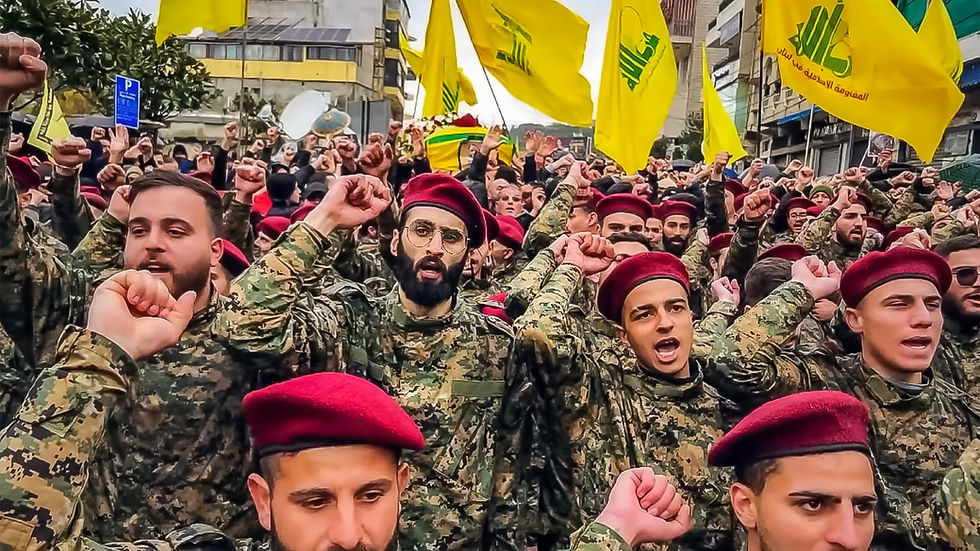
For years, Hezbollah has sold itself as a resistance movement. The truth is uglier. Hezbollah placed weapons among Lebanese communities, turned villages into military zones, and used southern Lebanon as a front line for Iran’s war against Israel. Northern Israeli families have paid the price. Homes have been damaged. Schools have closed. Communities near the border have lived under constant threat from rockets, missiles, and explosive drones.
So when Israel says the capture of Beaufort Castle is about protecting Israeli communities, that is not a slogan. It is the core of the issue. No normal country can accept an Iranian backed terror army sitting across the border, firing at civilians, and then demand applause for showing restraint.

Prime Minister Benjamin Netanyahu called the move a decisive shift in Israel’s policy. Defense Minister Israel Katz said the ridge is important for protecting communities on the Israeli side of the border. Israel is no longer waiting for Hezbollah to choose the time and place of escalation. Israel is taking the initiative.
That matters because Hezbollah’s entire strategy depends on psychological pressure. It wants Israelis to feel trapped. It wants northern communities to feel abandoned. It wants Lebanon to remain hostage to its weapons. And it wants the world to blame Israel every time Israel finally responds.
But Beaufort Castle tells a different story. It shows that Hezbollah’s control is not permanent. It shows that the places Hezbollah turned into threats can be taken apart. It shows that the old equation is cracking.
The World Demands Restraint From the Wrong Side
Predictably, European leaders rushed to warn Israel against escalation. They spoke about diplomacy, displacement, and regional stability. Those words sound responsible until you ask one simple question. Where was that urgency when Hezbollah was firing at Israeli communities? If diplomacy means Israel must absorb attacks forever, it is not diplomacy. It is surrender with better branding.
The real source of instability is not Israel defending its people, it's Iran’s strategy of surrounding Israel with armed proxies. Hezbollah in Lebanon. Militias in Syria and Iraq. Hamas in Gaza. The Houthis in Yemen. The pattern is obvious. Iran builds the fire, then the world complains when Israel grabs a hose.
Beaufort Castle is powerful because it combines history and present reality in one image. A medieval fortress. An Israeli flag. A terror army pushed back from a ridge it wanted to keep. In the Middle East, you can only speak one language with your enemies: the language of taking their territory and defeating them. The enemy does not understand the Western language of peace through negotiations. It understands only a language of peace through strength and the power of the iron fist.
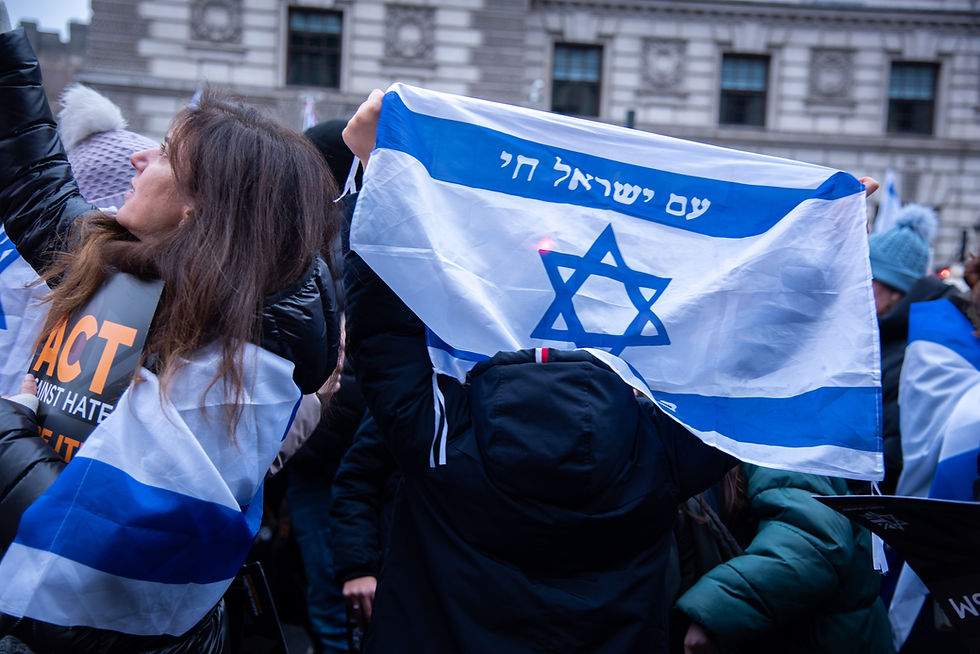
That is why this moment matters. Not because one castle will end the war. Not because one operation will erase Hezbollah overnight. It matters because symbols shape morale, and morale shapes wars. Hezbollah wanted Israelis to believe the north could never be secure. Israel just answered from the top of a castle - with our flag waving high. The question now is not whether Hezbollah understands the message. It does. The real question is whether the world is ready to understand it too.
qq88 khiến mình để ý đến cách những thao tác vận hành xuất hiện bên cạnh trải nghiệm giải trí thông thường. Mình xem Casino và Đá gà trước, rồi chuyển sang khu vực giao dịch khi có việc cần kiểm tra. Thay vì quan sát nội dung như lúc đầu, mình tập trung vào trạng thái hiển thị và những bước đang xuất hiện trên màn hình. Sự thay đổi này giúp mình nhận ra khá nhanh mình đã bước sang một phần có mục đích khác. Sau đó, các mốc điều hướng chung lại giúp mình tiếp tục lựa chọn hướng sử dụng mà không phải ghi nhớ toàn bộ quá trình vừa thực hiện.
https://o8.ninja/ khiến mình chú ý đến cách các khu vực được bố trí để việc chuyển đổi không phụ thuộc vào một đường đi duy nhất. Mình thường bắt đầu ở casino, sau đó sang xổ số, bắn cá hoặc thể thao tùy phần muốn xem tiếp. Trong quá trình đó, mình quan sát vị trí menu và tên danh mục để xác định hướng ngay từ khu vực hiện tại. Mình cũng thử bỏ qua những phần nằm giữa để đi thẳng đến lựa chọn cần tìm. Khi các nhóm chính có vị trí tương đối dễ nhận biết, mình có thể thay đổi hành trình theo nhu cầu mà không phải liên tục quay lại trang đầu để định…
Sunwin giúp tôi đánh giá cách thông tin được trình bày khi một nhóm trò chơi chứa nhiều sản phẩm tương tự nhau. Tôi quan sát Nổ Hũ và slot trước khi chuyển sang Bắn Cá để xem người dùng có thể phân biệt từng lựa chọn dựa trên hình ảnh và tên gọi hay không. Tôi cũng chú ý đến lượng thông tin xuất hiện cùng mỗi sản phẩm, tránh trường hợp quá nhiều chi tiết khiến việc quan sát trở nên nặng nề. Khi thông tin chính được thể hiện vừa đủ, người dùng có thể nhanh chóng nhận biết nội dung mình đang tìm hiểu. Cách trình bày này còn tạo khoảng trống phù hợp giữa các lựa…
XOSO66 khiến mình nhận ra việc ghi nhớ giao diện có thể bắt đầu từ những khu vực nổi bật trong thói quen sử dụng của riêng mình. Mình thường nhớ bắn cá trước, rồi dần xác định thêm đá gà và game bài dựa trên vị trí xung quanh. Các nhóm vì thế được nối lại thành một hình dung chung thay vì phải học thuộc từng mục riêng. Mình đánh giá cách làm quen này khá tự nhiên khi nội dung quan tâm thay đổi theo từng lần. Càng có nhiều vị trí quen thuộc, mình càng dễ tìm một khu vực khác mà không cần đọc lại toàn bộ danh mục để xác định hướng.
R666 cho mình góc nhìn khá rõ về cách khu khuyến mãi được đặt như một phần bổ sung thay vì chen vào nội dung chính. Mình có thể tập trung vào thể thao hoặc nổ hũ, còn chương trình đang có chỉ được kiểm tra khi mình chủ động chuyển sang khu tương ứng. Cách sắp xếp này giúp mình không phải tiếp nhận nhiều loại thông tin trong cùng một lúc. Mình đánh giá việc tách từng nhu cầu làm quá trình sử dụng dễ kiểm soát hơn. Khi đã quen vị trí, mình có thể xem phần bổ trợ rồi trở về danh mục trước đó mà không cần tìm lại toàn bộ đường đi.